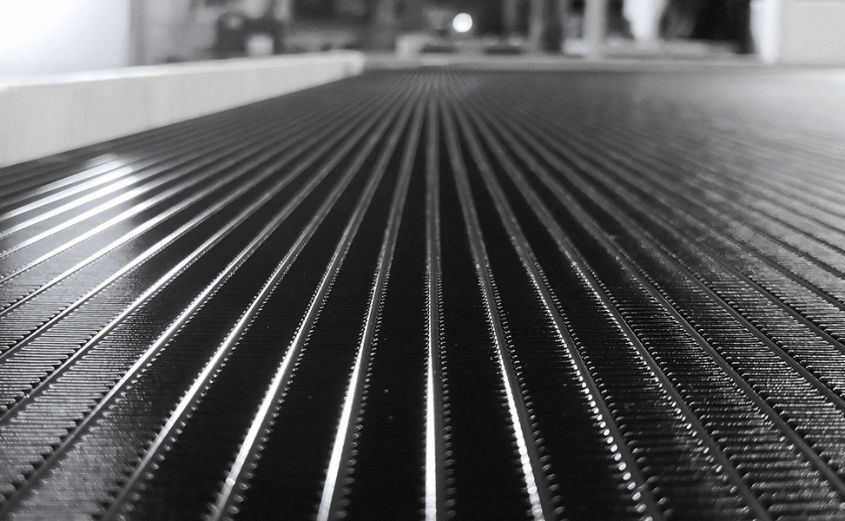
Humidity is particularly vexing for HVAC and refrigeration equipment in climates where the humidity level is always high. In such conditions, traditional heat exchanger designs are plagued by an array of problems from corrosion to condensate carryover to lowered efficiency. Microchannel heat exchangers, by contrast, have proved a rugged option—a more robust, more thermally efficient, and lower-maintenance alternative when exposed to high-humidity climates.
Enhanced Corrosion Resistance and Surface Protection
One of the key concerns in moist environments is enhanced metal component deterioration due to prolonged exposure to water. Typical copper-aluminum coils are also prone to formicary corrosion, a state whereby organic acids present in indoor air interact with water and metal surfaces. This causes tiny, nearly imperceptible leaks that endanger system integrity in the long run.
Microchannel heat exchangers are constructed primarily with aluminum and are therefore more corrosion-resistant to this type of corrosion by design. The majority of new microchannel coils also have protective surface coatings in the form of hydrophilic coatings or epoxy-based coatings. These coatings serve to promote rapid drainage of condensate with little opportunity for water to collect and permit microbial growth while offering a chemical contaminant barrier found in standard residential and commercial environments.
In tropical-climate, coastal-area, or industrial applications where high humidity is prevalent, a switch to microchannel technology can lengthen coil life and reduce unscheduled downtime by a significant margin. Success has been realized by some engineers and technicians in replacing older units with trane replacement coil products specifically designed for high-humidity application—without sacrificing performance, long-term durability is realized.
Increased Thermal Performance and Condensation Control
Aside from their strength, microchannel heat exchangers are also characterized by greater thermal efficiency when the weather is humid. Microchannel coils possess internal geometry that allows for the dispersion of refrigerant more evenly throughout the coil so that uniform heat transfer is afforded even in fluctuating load conditions. This is equivalent to faster response times for cooling, improved humidity control, and reduced compressor cycling—benefits which essentially translate into energy efficiency and occupant comfort.
Under humid conditions, condensation control is crucial to achieving high system efficiency. Microchannel coils excel at this, as their flat-tube structure and enhanced fin geometries enhance even airflow and hot spot suppression. Combined with optimized drainability design characteristics, these factors eliminate secondary re-evaporation of condensate—a condition that can otherwise contribute to indoor humidity and discomfort problems.
Also, because microchannel coils require less refrigerant charge compared to conventional designs, they are more stable operating under fluctuating conditions. It is for this reason that they are very well-suited for application in data centers, hospitals, and food processing facilities where it is important to maintain tight control over temperature and humidity levels.
Homes that replace old trane replacement coil designs initially installed with traditional tube-and-fin coils typically see improvement after upgrading or replacing with microchannel models. Aside from better performance in humid environments, the new coils also reduce the frequency of maintenance and offer a longer system lifespan overall.
Conclusion: A Good Choice for Difficult Conditions
As building environments become increasingly complex and climatic conditions persistently change, demand for high-efficiency, long-duration thermal management solutions will only increase. Microchannel heat exchangers offer a compelling solution to the issue presented by high-humidity applications—corrosion resistance, enhanced thermal performance, and low maintenance requirements all wrapped up in a single compact unit.
Whether as a fresh installation or replacement with trane replacement coil products, microchannel technology is a leading-edge approach to HVAC and refrigeration system design-one that offers real advantages in some of the most challenging operating environments.
About the Author